
- 2 techniquesopen or closed
- Same visitas the implant for small lifts
- 4–9 monthshealing for a staged open lift
- CBCTmeasures the height available
What is a sinus lift?
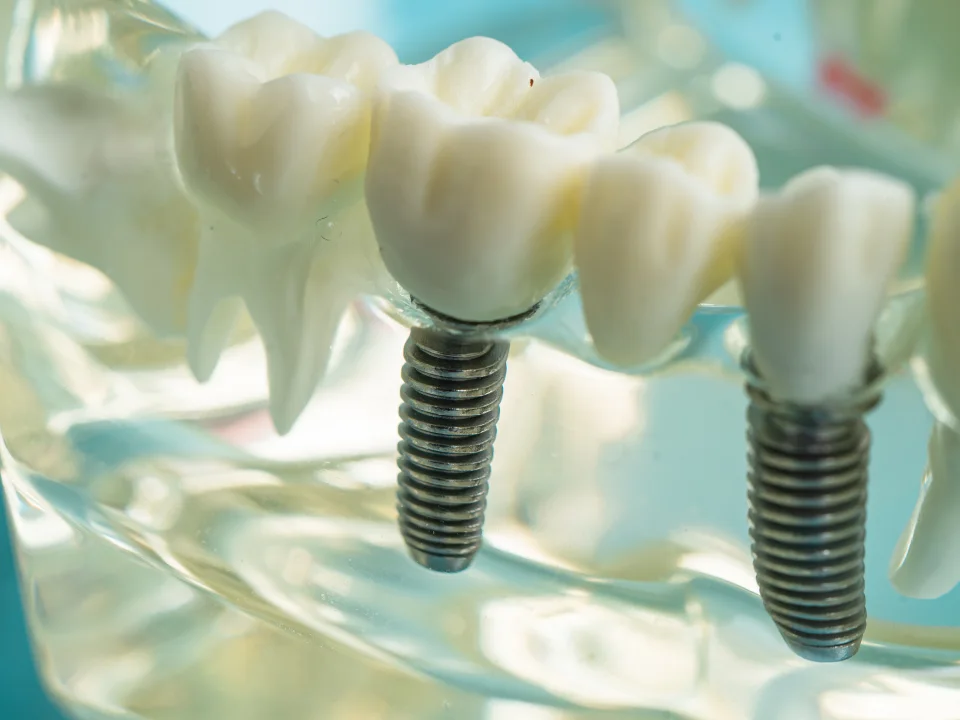
A sinus lift in Istanbul, also called sinus augmentation, addresses a specific problem of the upper back jaw. Above the roots of the upper premolars and molars lies the maxillary sinus, an air-filled cavity. When those teeth are lost, the bone between the mouth and the sinus thins from two directions: the ridge resorbs from below and the sinus expands from above. Often only a few millimetres remain, far too little for an implant.
The procedure gently lifts the thin membrane lining the sinus floor and fills the space created beneath it with graft material, which matures into bone over several months. It is one of the most common preparatory procedures in implant dentistry and one of the most predictable when planned from a CBCT scan.
Who needs a sinus lift?
Anyone planning implants in the upper back jaw whose scan shows insufficient bone height beneath the sinus. Your dentist confirms the need after examination and CBCT imaging, which measures the height precisely and shows the shape and health of the sinus itself.
- Patients who lost upper molars or premolars years ago
- Patients with a naturally large or low-lying sinus
- Patients whose posterior bone was lost to gum disease or infection
- Full-arch patients where posterior implants are planned, as in All-on-6
When it can be avoided
Shorter implants, implants angled forward of the sinus, or a tilted-implant protocol such as All-on-4 sometimes make a lift unnecessary. For the severely atrophied upper jaw, zygomatic implants bypass the sinus floor altogether. The scan shows which route is appropriate.
Open versus closed sinus lift
Two approaches are used, chosen according to how much height must be gained and how much bone already exists.
Closed (crestal) sinus lift
When only a few millimetres of extra height are needed and there is enough existing bone to stabilise an implant, the sinus floor is lifted through the implant site itself using specialised instruments. Graft material is introduced through the same small opening, and the implant is usually placed at the same appointment. Recovery is similar to a routine implant.
Open (lateral window) sinus lift
For larger deficiencies, a small window is created in the side wall of the upper jaw, the membrane is lifted under direct vision, and a larger volume of graft is placed. If the remaining bone can stabilise an implant, placement may be simultaneous; otherwise the graft heals for four to nine months before the implant is placed.
The procedure step by step
- Assessment: examination and a CBCT scan measuring residual bone height and checking the sinus for inflammation, polyps or septa that affect the approach.
- Medical review: existing sinus disease, allergies and nasal symptoms are discussed; some patients are referred to an ENT specialist first.
- Anaesthesia: local anaesthetic, with sedation available for open lifts or on request.
- Surgery: the membrane is lifted by the crestal or lateral approach and the graft placed; the implant is inserted at the same time where stability allows.
- Closure: the gum is sutured and post-operative instructions are given in writing.
- Healing and implant: the graft matures over months; a follow-up CBCT confirms the new bone before staged implant placement.
Healing and aftercare after a sinus lift
The first week is about protecting the membrane. Do not blow your nose; sneeze with the mouth open; avoid straws, smoking, heavy lifting and swimming; and sleep with the head raised. Mild nasal congestion or slight bleeding from the nose is normal for a few days. A soft diet on the opposite side and the prescribed medication complete the routine.
Flying is generally possible after a few days for a closed lift and after five to seven days for an open lift, once the surgeon has checked the site; cabin pressure changes are tolerated well when the membrane is intact. Full guidance is in the aftercare guide.
Advantages, limitations and alternatives
A sinus lift makes standard-length implants possible in a region where they would otherwise be impossible, and it does so with a high success rate. It allows implants to be placed in the natural tooth positions, which simplifies the design of crowns and bridges and makes them easier to clean.
The limitations are time, in the case of a staged open lift, and the need for meticulous aftercare in the first week. Alternatives such as short implants avoid the procedure at the cost of a shorter anchor; tilted implants avoid the region entirely in full-arch cases; and ridge grafting may be combined when width as well as height is lacking. The treatment guide sets out how these choices are made.
Planning a sinus lift as an international patient
A closed lift with simultaneous implant fits the standard two-trip implant schedule: four to five days for surgery and a check, then a second trip for the crown after integration. A staged open lift usually adds a visit: trip one for the lift, trip two after four to nine months for the implant, and trip three for the final restoration. In some cases the lift is combined with other work so that no extra journey is needed.
Remote follow-up includes photographs and a short symptom questionnaire at set intervals, and a home dentist or physician can assist if nasal symptoms need review. Practical arrangements are on the international patients page, and the frequently asked questions cover travel-related concerns.
- Closed lift with implant: two trips of 4–5 days
- Staged open lift: typically three trips, each 3–5 days
- Photograph review and symptom check-ins during healing
Risks and what to watch for
The most common intra-operative event is a small tear of the sinus membrane, which is usually repaired at the time and rarely affects the outcome. Post-operative risks include sinus infection, graft infection and, uncommonly, displacement of graft particles into the sinus. Pre-existing sinus disease increases these risks, which is why the sinus is reviewed on the scan beforehand.
Contact the clinic for nasal discharge that is discoloured or persistent, facial pain or pressure that increases after day three, fever, swelling that returns after settling, or graft particles noticed in the nose. Early management resolves most problems without affecting the implant plan.
Related reading
How it works at Habibler Clinic
- AssessmentSend an X-ray or photos; we reply with a written outline.
- Examination & 3D scanClinical check and imaging confirm the plan and timeline.
- TreatmentSessions are scheduled together, in the order agreed.
- Follow-upWritten aftercare and scheduled check-ups.